
Smart Home Technology Must-Haves for Custom Luxury Homes in 2026
Luxury living in 2026 is no longer just about architecture, square footage, or premium finishes.
It’s about intelligence.
Today’s custom luxury homes in Calgary are expected to think, adapt, and respond.
They anticipate your comfort. They protect your investment.
They reduce energy waste. They elevate daily routines.
And the key to doing it right?
Integrating smart home technology from the blueprint stage, not as an afterthought.
If you’re planning to build or renovate a custom home this year, you’re likely asking:
- What smart home features are worth including in 2026?
- How do AI systems actually improve daily living?
- Is full home automation necessary in luxury builds?
- What technology adds real long-term value?
- Should smart systems be installed during construction or afterward?
Let’s break down what matters, and how to do it properly.
1. The Evolution of Smart Luxury Living
A decade ago, smart homes meant programmable thermostats and a few connected lights.
In 2026, smart luxury homes are fully integrated ecosystems.
Automation systems now coordinate:
- Lighting
- Climate
- Security
- Audio and video
- Window coverings
- Energy management
- Irrigation
- Access control
- Wellness systems
The difference today is seamlessness. Technology must be invisible.
It should enhance the home without overwhelming it.
At West Ridge Fine Homes, we approach smart integration the same way we approach architecture:
intentionally, strategically, and with longevity in mind.
2. Whole-Home Automation: The Foundation
If you’re building a custom luxury home in Calgary in 2026, whole-home automation is no longer optional.
What is whole-home automation?
It’s a centralized system that controls lighting, temperature, entertainment, security, and more, all from one interface.
Think:
- One app
- One wall panel
- One integrated ecosystem
Instead of multiple disconnected apps, you have a unified platform that coordinates everything.
Why does this matter in luxury homes?
Because simplicity is luxury.
You don’t want five remotes on your coffee table. You want clean walls, concealed wiring, and intuitive controls.
Integrated platforms like Control4, Savant, or Lutron allow:
- Custom lighting scenes
- Automated morning and evening routines
- Vacation security modes
- Climate zoning
- Energy monitoring
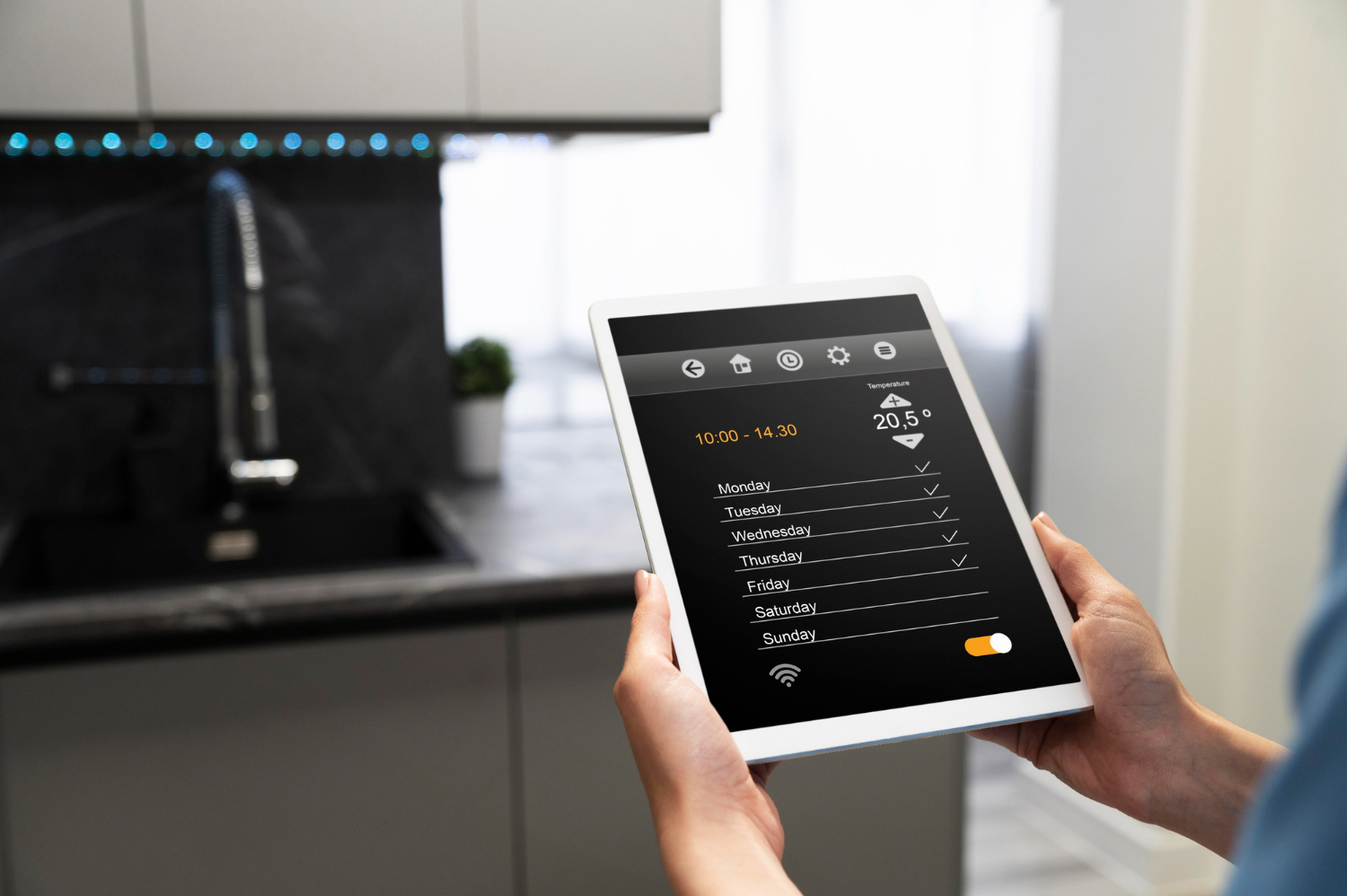
3. AI-Driven Climate and Energy Management
Calgary’s climate demands intelligent heating solutions.
In 2026, high-end homeowners are prioritizing:
- AI-driven thermostats
- Zoned HVAC systems
- In-floor hydronic heating integration
- Real-time energy consumption tracking
How does AI improve comfort?
AI systems learn your patterns.
- They know when you wake up.
- They know when rooms are occupied.
- They adjust temperatures before you even think about it.
Instead of reacting to manual input, the system anticipates.
In winter, it preheats floors before you wake. In summer, it adjusts blinds based on sun exposure.
This isn’t a convenience setting. It’s optimization.
4. Intelligent Lighting Systems
Lighting is one of the most impactful smart upgrades in custom homes.
What are luxury lighting trends in 2026?
We’re seeing demand for:
- Circadian lighting systems
- Automated daylight harvesting
- Scene-based lighting controls
- Voice-activated dimming
Circadian lighting mimics natural daylight patterns, improving sleep, focus, and mood.
Imagine:
Morning: soft warm light gradually brightens.
Afternoon: cooler white for productivity.
Evening: low, warm lighting to promote rest.
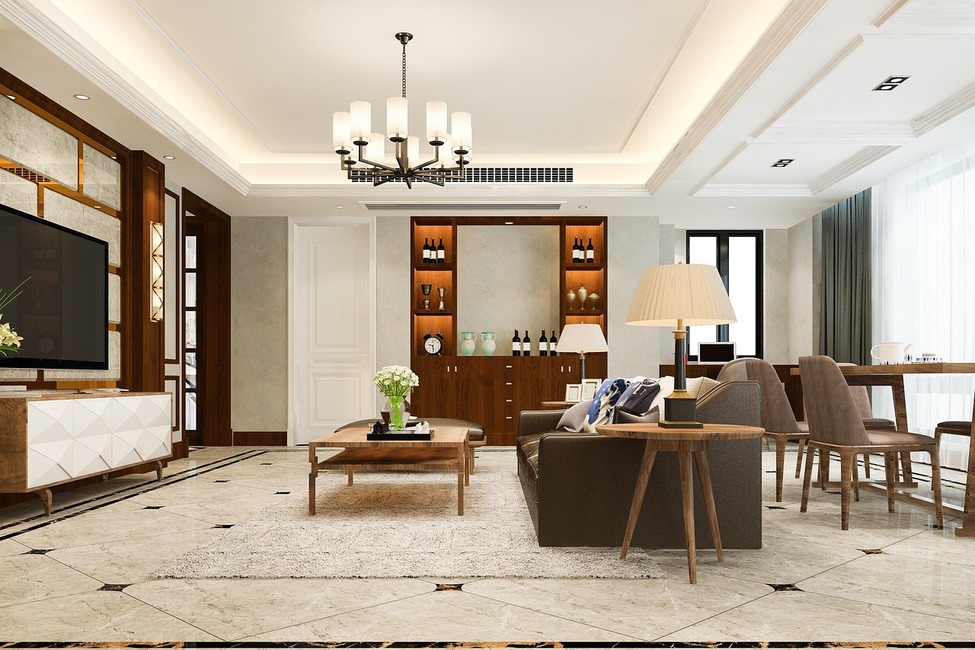
Integrated lighting design also enhances architecture. Cove lighting, stair lighting, under-cabinet illumination, all programmable and automated.
Luxury lighting should feel layered, intentional, and intuitive.
5. Advanced Security and Access Control
Security in 2026 goes beyond cameras.
High-end custom homes now include:
- AI-enabled perimeter monitoring
- Biometric entry systems
- Smart gate access
- Facial recognition doorbells
- Motion-activated landscape lighting
- Remote monitoring with encrypted systems
Do smart security systems add property value?
Yes.
Buyers increasingly expect integrated security in luxury homes. It enhances peace of mind and strengthens resale positioning.
And when installed during construction, systems are discreet, no exposed wires or visible hardware cluttering the façade.6. Smart Kitchens and Appliance Integration
The kitchen remains the most technology-forward space in the home.
2026 luxury kitchens include:
- Wi-Fi enabled appliances
- Smart ovens with recipe guidance
- Refrigerators that monitor inventory
- Touchless faucets
- Hidden charging stations
- Integrated coffee systems
- Wine storage with climate monitoring
But again, concealment is critical.
Appliances should integrate behind custom millwork. Displays should be minimal. Functionality should enhance, not distract.
When technology supports daily living quietly, it elevates the experience.7. Smart Outdoor Living
Luxury outdoor spaces in Calgary are becoming fully automated.
What smart features are popular for outdoor living?
- Motorized patio screens
- Heated driveway systems
- Smart irrigation tied to weather data
- Outdoor audio zones
- Remote fire feature ignition
- Automated pool controls
Four-season outdoor living requires intelligent systems.
With Calgary’s fluctuating weather, smart irrigation prevents water waste. Heated walkways improve safety. Exterior lighting adjusts automatically with sunset times.
Outdoor luxury is no longer seasonal. It’s engineered.8. Wellness Technology Integration
Wellness is no longer a trend, it’s foundational.
Smart wellness upgrades in custom luxury homes include:
- Whole-home air purification
- Advanced HRV systems
- Water filtration and monitoring
- Infrared sauna controls
- Steam shower automation
- Cold plunge temperature regulation
Why integrate wellness technology during construction?
Because retrofitting is expensive.
Ducting, ventilation systems, and water lines should be planned early.
When wellness is built into the mechanical design from day one, performance and efficiency improve dramatically.9. The Infrastructure Matters More Than the Gadgets
Here’s something most homeowners don’t consider:
The infrastructure is more important than the devices.
What does that mean?
- Running conduit.
- Planning server closets.
- Ensuring scalable wiring.
- Building network strength.
- Technology changes every few years.
But if your home is wired properly, with expandable infrastructure, upgrades are simple.
Luxury homes in 2026 are being designed for adaptability.
We plan for:
- Future EV charging
- Solar panel integration
- Battery storage
- Expanded Wi-Fi coverage
- 10+ year scalability
That’s future-proofing.
10. Smart Renovations: Integrating Technology into Existing Homes
Not building from scratch? Smart integration is still possible in luxury renovations.
The key is evaluating:
- Electrical panel capacity
- Wi-Fi strength
- HVAC compatibility
- Structural access for concealed wiring
During high-end renovations, we often:
- Upgrade electrical systems
- Add centralized automation hubs
- Replace outdated thermostats
- Install modern lighting controls
- Integrate security infrastructure
11. Frequently Asked Questions
What smart home technology is worth the investment in 2026?
Whole-home automation, climate zoning, advanced lighting systems, and integrated security provide the strongest long-term value.
Is smart technology complicated to use?
Not when properly designed. The best systems are intuitive and user-friendly.
Does automation increase home resale value?
Yes. Buyers in the luxury segment expect integrated technology. Proper installation increases perceived sophistication and convenience.
Should I install smart systems during construction or after?
During construction. Infrastructure planning during the build phase ensures seamless integration and lower long-term cost.
Are smart homes energy-efficient?
Yes. AI-driven systems optimize energy use, reduce waste, and lower operational costs, especially important in Calgary’s climate.
12. The West Ridge Approach to Smart Luxury Homes
Technology must serve architecture, not compete with it.
At West Ridge Fine Homes, we collaborate with trusted technology partners during the design phase.
We:
- Plan infrastructure early
- Conceal wiring
- Coordinate mechanical systems
- Integrate automation seamlessly
- Ensure aesthetic cohesion
Luxury in 2026 means homes that think, but don’t shout about it.
When smart systems are integrated properly, the result is effortless living.13. Final Thoughts: Building Smarter in 2026
Custom luxury homes in Calgary are entering a new era.
It’s not about adding more technology. It’s about adding the right technology.
- Smart climate control
- Intelligent lighting
- Integrated security
- Wellness-driven air and water systems
- Outdoor automation
- Scalable infrastructure
When planned strategically, these systems elevate comfort, increase property value, and future-proof your investment.
It’s what your home quietly does for you, every day.
📞 Contact West Ridge Fine Homes
4511 Glenmore Trail #11, Calgary, AB T2C 2R9
403-724-7523 | [email protected]
Liked what you read?
Share the love.
Facebook
Twitter
LinkedIn
WhatsApp